


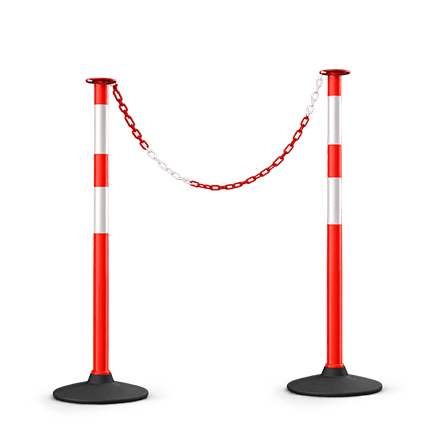
Safety Signage & Barriers
Safety signage and barriers communicate hazards, direct movement and restrict access to designated work areas. Network Industrial supports worldwide procurement enquiries for warning signs, safety cones, barricades and floor safety markings used in factories, warehouses and construction projects. Their effectiveness depends on clear messages, correct placement and suitability for the hazard.
A warning sign or lightweight cone draws attention to an issue but does not replace machine guarding, safe pedestrian separation or structural protection. Buyers need to distinguish a visual boundary from a physical barrier designed to resist force.
Description
Description
Industrial Applications
Industrial facilities use signs near electrical panels, chemical storage and restricted machinery. Cones and portable barricades can redirect people around maintenance tasks. Floor markings identify pedestrian routes, forklift crossings, storage boundaries and equipment-clearance zones.
The arrangement should remain understandable during normal operations, poor lighting and site changes. Damaged, faded or obstructed warnings lose value. Temporary installations must also preserve emergency exits and access routes.
Types and Configuration
Warning signs can include danger, warning, caution, prohibition and mandatory-action messages, with pictograms and signal words governed by the selected standard. Rigid boards, adhesive labels and photoluminescent formats serve different environments. Safety cones may be flexible or weighted, with reflective collars where appropriate; they mainly provide visual guidance.
Barricades include modular plastic panels, steel barriers, expanding gates and temporary fencing. A crowd-control panel is not automatically an impact-rated barrier. Floor safety markings may use coloured adhesive tape, applied coatings, arrows, lines or striped hazard zones. Their colour meaning and layout should follow the site’s approved system.
Technical Specifications
For signs, specify exact approved wording, pictograms, language, dimensions, viewing distance, substrate and applicable standard. Rules such as ISO 7010 or US OSHA signage provisions apply in particular contexts, so the destination market matters. Material selection should account for sunlight, moisture, chemicals and installation surface.
For cones and barricades, confirm height, base stability, connectors and the intended level of physical separation. Public-road traffic arrangements can require different products and layouts from indoor warehouse work. Wind and moving vehicles may affect the stability of freestanding equipment.
Floor tapes or coatings must suit the concrete, painted or other surface beneath them. Cleaning chemicals, pallet movement and forklift turning can wear or lift markings. Check adhesion, any slip-resistance requirement, surface preparation and curing time before specifying material quantities.
A complete layout should identify where signs, cones, barricades and floor lines work together. Warning messages cannot compensate for an unsafe pedestrian route, and a chain between cones does not create an impact-rated guard. Different locations may require gates or positive isolation, not just more visible markers.
For repeat orders, retain approved artwork and site colour conventions. If a facility changes its traffic flow, remove obsolete floor markings and replace outdated warnings so instructions do not conflict. Procurement schedules should separate permanent signs from temporary equipment and list brackets, feet or connectors not included with the main products.
Why Source from Network Industrial?
Network Industrial handles international enquiries for specified industrial signage and barrier materials using layouts, sizes and quantities. Buyers can request quotation against approved drawings and material requirements. Product performance and suitability should be confirmed for the actual intended use.
Request a Quotation
Send approved messages or layouts, dimensions, materials, protective ratings where applicable, quantities and delivery destination. State whether equipment is for indoor pedestrian guidance, industrial exclusion or a specially rated barrier application.
FAQs
Can warning signs replace physical safety guarding?
No. Signage supports controls but does not substitute for guarding where the hazard requires it.
Can safety cones stop a moving vehicle?
No. Ordinary cones are visual controls, not impact-rated protection.
Will any floor-marking tape stick to industrial concrete?
No. Adhesion depends on surface condition, coatings, preparation and operating traffic.
Delivery Info
- Standard and Express delivery services are available for all items.
- Shipping costs are calculated at the checkout page (after delivery option & destination confirmation).
- Tracking is available for all delivery options.
- Items are delivered during standard business hours.

Reviews
There are no reviews yet.