


First Aid & Emergency Equipment
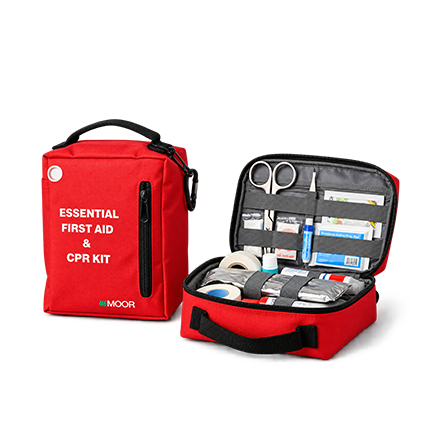
First aid and emergency equipment supports an organised response to injuries and hazardous exposures at industrial workplaces. Network Industrial handles worldwide supply enquiries for first aid kits, eyewash stations and emergency showers used in manufacturing, maintenance and chemical-handling areas. Their purpose is immediate assistance while the site’s emergency arrangements and medical response are activated.
The right equipment depends on workforce needs, likely injuries, chemical hazards and how quickly workers can reach help. A stocked first aid kit does not replace emergency flushing equipment where exposure to corrosive substances is possible.
Description
Description
Industrial Applications
Warehouses and workshops may need accessible first aid supplies for cuts or other workplace injuries. Chemical transfer stations and certain processing areas can require dedicated eye or body-flushing facilities. The layout of large plants and remote operating areas affects where equipment should be located.
Staff must know where supplies and emergency flushing points are located. Cabinets or showers blocked by stored materials can be ineffective during an incident. Medical training, spill controls and a clear escalation plan remain important alongside the physical equipment.
Types and Configuration
First aid kits can be portable cases, wall-mounted cabinets or designated vehicle kits. Contents vary by task and local requirements; dressings, gloves and other materials should be inventoried and replenished. Different worksites may need additional specialised supplies, rather than the same standard kit.
Eyewash stations provide flushing fluid for eye exposures and may be plumbed or self-contained. Portable personal wash bottles can have a supplemental role but should not automatically replace a required primary station. Emergency showers provide body flushing following certain chemical exposures. Combination eyewash-and-shower assemblies are available when the approved risk assessment calls for both functions.
Technical Specifications
Specify kit contents, quantity, case type, mounting location and any applicable workplace standard. Inspection should identify missing, damaged or expired materials. Medicines and specialised medical items require consideration of local legal rules and the facility’s medical policies.
For eyewash stations and emergency showers, verify flushing performance, accessible activation, water supply, temperature and drainage. ANSI/ISEA Z358.1 may be referenced where applicable, but jurisdictional requirements must be assessed at the destination. A normal sink or washdown hose does not automatically meet emergency flushing requirements.
Self-contained eyewash products require appropriate fluid quantity and servicing. Plumbed equipment needs ongoing readiness checks for flow, contamination, blocked nozzles or seized controls. The site’s response plan should consider contaminated runoff and urgent medical follow-up where necessary.
When preparing a multi-site order, list each location separately. A first aid cabinet near the main entrance does not necessarily serve an isolated work area. Likewise, an eyewash point must be accessible along the route workers could use after an eye exposure. Product selection should follow the site’s chemical safety assessment rather than a catalogue description alone.
Identify whether required brackets, plumbing fittings, signs or protective covers come with the quoted unit. Emergency showers may need freeze protection or temperature control in the specified climate. Procurement teams should distinguish supply of equipment from installation, water-quality management and regulatory inspection services that may be provided by other qualified contractors.
Why Source from Network Industrial?
Network Industrial supports global enquiries for specified emergency response equipment and related replacement parts. Buyers can submit approved site schedules, model references and quantities. Documentation, product configuration and availability are confirmed for the particular quoted products.
Request a Quotation
Send the approved contents list or emergency equipment reference, exposure hazard, installation details, required quantities and destination. Specify water supply and environmental conditions for eyewash and shower equipment.
FAQs
Does every workplace need the same first aid kit?
No. The kit and its contents should reflect workplace hazards, personnel and applicable requirements.
Can an eyewash bottle always replace an installed eyewash station?
No. A bottle may be supplemental and might not meet the site’s primary flushing requirement.
Do emergency showers and eyewash stations need regular checks?
Yes. Their flow, accessibility and condition must be maintained under the applicable inspection programme.
Delivery Info
- Standard and Express delivery services are available for all items.
- Shipping costs are calculated at the checkout page (after delivery option & destination confirmation).
- Tracking is available for all delivery options.
- Items are delivered during standard business hours.

Reviews
There are no reviews yet.