


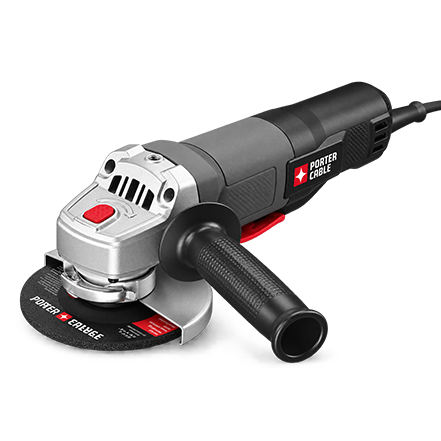
Grinding Tools
Grinding tools use abrasive particles to remove material, sharpen edges or improve a surface’s condition. Network Industrial handles global sourcing enquiries for industrial grinding tools used in metal fabrication, equipment repair and finishing operations. The right abrasive must suit the machine, workpiece material and the type of grinding or sanding involved.
Grinding wheels and abrasive belts are not interchangeable products. Their mounting, speed limits and contact with the workpiece differ. Tool selection must also account for guarding and the manufacturer’s safety requirements.
Description
Description
Industrial Applications
Grinding wheels are used for precision surface or cylindrical grinding, tool sharpening and various fabrication operations where the specified wheel is suitable. Abrasive belts are used for deburring, edge blending, surface preparation and finishing on compatible belt machines.
Hard metals, stainless steel and non-ferrous materials can require different abrasive grains and bonds. The desired result may be rapid stock removal or a controlled surface finish. A wheel designed for one application should not be used for an unrelated cut-off or side-grinding operation.
Types and Configuration
Grinding wheels have abrasive grains held by a bond. Common grain families include aluminium oxide, silicon carbide and superabrasives such as diamond or cubic boron nitride for suitable applications. Bond type, grade, structure and wheel shape affect the way the wheel cuts and wears. Surface-grinding, bench-grinding and cut-off wheels have different intended uses.
Abrasive belts carry coated abrasive grains on flexible backing joined into a loop. Grit size, backing construction, belt dimensions and abrasive material influence flexibility and cutting life. Coarse grades are generally used for heavier removal and finer grades for surface refinement, but workpiece material and belt-machine design remain important.
Technical Specifications
Record wheel diameter, thickness, bore, wheel shape, abrasive specification and maximum permitted operating speed. The machine’s speed must not exceed the wheel rating. Correct flanges, guarding and mounting procedures are essential; a cracked or damaged wheel should never be installed.
Wheel hardness and bond should be chosen with the workpiece and contact conditions in mind. Dressing and truing requirements depend on the wheel type and process. An unsuitable wheel can load up, burn the surface or produce poor finish, even if its diameter fits the spindle.
For belts, provide width, length, grit, abrasive grain, backing and intended machine. Verify belt speed limits, tracking, contact-wheel conditions and tension. Tears or damaged splices can cause failure. A loose or misaligned belt may affect the surface and create additional operating risk.
Storage affects abrasive products. Grinding wheels can be damaged by careless handling, while coated belts may be sensitive to heat, moisture or improper bending. Check the manufacturer’s storage and service instructions rather than applying one rule to every abrasive construction.
Machine condition is part of performance. Vibration, unsuitable work rests, dirty flanges or incorrect coolant delivery can undermine a correctly specified grinding tool. Operators must use the intended guards and personal protective equipment; an abrasive’s advertised cutting rate does not override its safe speed.
Why Source from Network Industrial?
Network Industrial handles worldwide enquiries for industrial grinding wheels and abrasive belts against exact dimensions, grades and application details. Buyers can request quotation for separate roughing and finishing consumables. Product approvals, manufacturer and availability must be confirmed against each quoted item.
Request a Quotation
Send machine type, wheel or belt dimensions, abrasive specification, workpiece material, intended operation, rated speed and quantities. Include the original code or a readable product label when requesting a replacement.
FAQs
Can any grinding wheel be used at a higher machine speed?
No. Never exceed the wheel’s marked maximum operating speed or the manufacturer’s instructions.
Are grinding wheels and abrasive belts interchangeable?
No. They have different constructions, mounting arrangements and operating requirements.
Does a finer grit always remove material faster?
No. Finer abrasive grades often prioritise finish rather than maximum stock removal.
Delivery Info
- Standard and Express delivery services are available for all items.
- Shipping costs are calculated at the checkout page (after delivery option & destination confirmation).
- Tracking is available for all delivery options.
- Items are delivered during standard business hours.
Reviews
There are no reviews yet.