


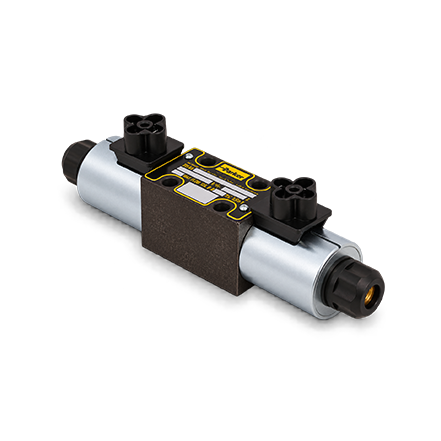
Hydraulic Valves
Network Industrial supplies hydraulic valves globally, bringing directional, pressure and flow-control requirements together for machinery builders, power-unit buyers and maintenance teams. These components control fluid direction, pressure and flow, connecting the pump’s output to the movements and forces required by the machine.
A valve’s circuit function determines what it does, while its pressure rating, flow capacity and operating arrangement determine where it can be used. Our supply enquiries cover specified valves for new equipment and replacements identified by the original part code or hydraulic circuit drawing.
For industrial buyers, correct valve identification helps preserve the machine’s operating sequence. Components with similar bodies or port sizes can have different internal flow paths, making the full specification more useful than appearance alone.
Description
Description
Industrial Applications
Hydraulic valves are used in presses, clamping systems, lifting equipment and powered machinery. They route fluid to actuators, regulate the conditions under which work takes place and control the rate of movement through the circuit.
In production equipment, several valve functions may work together to position a component and then apply force. Mobile machinery uses hydraulic controls to direct power to attachments and moving structures. The application determines the required response, operating method and connection arrangement.
Machine duty influences the valve specification. Frequent switching, changing load and different operating temperatures affect the conditions under which the component must perform. The proposed valve also needs to work with the hydraulic fluid and cleanliness level required by the circuit.
Types and Configurations
- Directional control valves route fluid between supply, actuator and return connections to control movement.
- Pressure control valves regulate or limit pressure according to their circuit function and setting.
- Flow control valves regulate fluid delivery to influence the speed of connected equipment.
These functions are included within the hydraulic valve product group. The circuit symbol and complete model code identify the specific arrangement, including the valve’s neutral behaviour and operating method.
Technical Specifications
Technical ratings depend on the selected valve and its function. The following details establish a clear product requirement.
| Parameter | Specification detail |
|---|---|
| Circuit function | Directional, pressure or flow function and associated circuit symbol. |
| Pressure | Working limits and adjustment range where applicable. |
| Flow | Required capacity and pressure loss at the intended flow. |
| Connections | Port size, thread standard or manifold interface. |
| Operation | Actuation method and required return behaviour. |
| Electrical interface | Supply, connector and control signal where electrically operated. |
| Fluid compatibility | Fluid, viscosity, temperature and cleanliness requirements. |
| Installation | Body dimensions, mounting pattern and pilot or drain connections. |
For directional control, the neutral position influences how the circuit behaves when no command is applied. For pressure and flow functions, the adjustment range must suit the intended duty. The valve’s mounting interface is equally important where it fits an existing manifold, since matching bolt positions alone may not establish equivalent fluid connections.
Why Source from Network Industrial?
Network Industrial supplies hydraulic control components alongside the pumps, actuators, filters and lines they serve. This gives maintenance and purchasing teams one contact for enquiries covering both the control valve and related circuit components.
An exact model reference supports a defined replacement request. Where the requirement is application-based, the circuit drawing and operating data establish the valve function for quotation. Both approaches keep the purchase connected to the equipment’s intended operation.
FAQs
Are directional and pressure control valves interchangeable?
No. They perform different circuit functions. The required valve is identified by its role in the hydraulic system and its complete specification.
Why is the neutral position important?
It defines the flow paths when the valve is in its normal position and can affect pump unloading and actuator behaviour.
Does a larger port size mean better control?
Not necessarily. Flow capacity, adjustment range, response and pressure loss must suit the application. Port size alone does not establish the right valve.
Request a Quotation
Send the valve code, circuit symbol, pressure, flow and quantity. Include mounting details and electrical information where the valve is electrically actuated.
Delivery Info
- Standard and Express delivery services are available for all items.
- Shipping costs are calculated at the checkout page (after delivery option & destination confirmation).
- Tracking is available for all delivery options.
- Items are delivered during standard business hours.
Reviews
There are no reviews yet.