


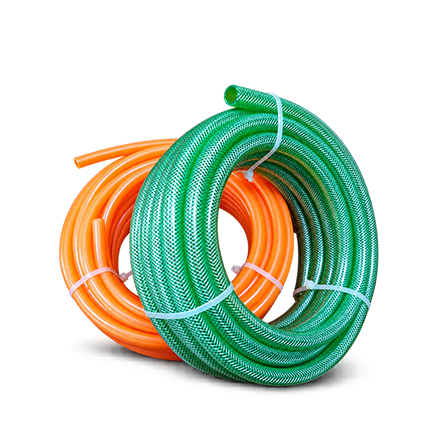
Hydraulic Hoses & Pipes
Network Industrial supplies hydraulic hoses and pipes globally, helping industrial buyers source the fluid-carrying lines needed to connect machinery, power units and replacement components. These lines carry fluid between pumps, valves, actuators and reservoirs, forming the connections through which hydraulic power reaches the working components.
The line specification combines pressure capability, fluid compatibility and the physical demands of the installation. Flexible sections accommodate the movement permitted by their design, while rigid sections follow fixed routes with appropriate support. Both must suit the connected components and the expected operating conditions.
Supply enquiries can cover an identified replacement assembly or the line requirements shown on an equipment drawing. Dimensions and end connections are important, but the intended circuit duty also needs to be defined.
Description
Description
Industrial Applications
Hydraulic hoses and pipes are used in presses, clamping systems, lifting machinery and mobile equipment. They connect the power source and controls to the actuator, including sections where the surrounding machine structure moves during operation.
Flexible hose is relevant where the installation requires movement or a suitable connection around equipment. Rigid pipe is used where the route is fixed and properly supported. The chosen arrangement depends on the machine layout, connection accessibility and mechanical conditions.
Production environments may expose lines to abrasion, heat, oil splash or cleaning chemicals. Outdoor and mobile installations can add weather exposure and changing equipment positions. These conditions influence the required construction and routing space, alongside the hydraulic pressure and fluid temperature inside the line.
Line and Connection Configuration
The complete requirement includes the line dimensions and the connection at each end. For a hose assembly, fitting orientation matters where angled ends must align with existing ports. For a pipe, the drawing may define bends, lengths and connection positions.
Internal diameter influences fluid velocity and resistance, while the end connection determines how the line mates with the equipment. A fitting’s thread size does not fully identify its sealing interface. The connection standard and geometry must remain part of the specification.
Technical Specifications
Working limits depend on the selected hose or pipe and its connections. A complete assembly must remain within the applicable rating of its components.
| Parameter | Specification detail |
|---|---|
| Line dimensions | Internal diameter, wall thickness where relevant and required length. |
| Working pressure | Rated operating pressure and expected pressure fluctuations. |
| Temperature | Fluid and ambient temperature conditions. |
| Compatibility | Hydraulic fluid and exposure to external substances. |
| Connections | End sizes, connection standards, sealing interfaces and orientation. |
| Routing | Bend radius, movement allowance and installation clearance. |
| Construction | Material and reinforcement or pipe specification as applicable. |
| Mechanical conditions | Support, vibration and abrasion exposure at the installation. |
Pressure loss depends on internal diameter, length and the fittings in the route. Substituting a smaller internal passage can affect performance even when the end connections fit. Pressure ratings should also be read as working limits under the stated conditions; a burst-test value is not a normal operating rating.
Why Source from Network Industrial?
Network Industrial supplies hydraulic line requirements alongside pumps, valves, cylinders and fittings. This allows a maintenance or equipment enquiry to cover the components and their connecting lines through one supplier contact.
For replacement purchases, original markings and a dimensioned assembly drawing provide a defined product reference. For a new route, the specified duty and connection layout establish the requirement. An itemised list keeps line lengths, end orientations and quantities associated with the correct equipment positions.
FAQs
Are matching end threads enough to identify a hose replacement?
No. Internal diameter, pressure rating, material, temperature capability, length and fitting orientation also form part of the assembly specification.
Can a hose operate continuously at its burst pressure?
No. Selection must use the manufacturer’s working-pressure rating and operating conditions. Burst pressure is a separate test characteristic.
Why is bend radius included in the specification?
It defines the permitted curvature for the selected hose. The available route must accommodate that limit throughout the equipment’s required movement.
Request a Quotation
Share the hose marking or pipe specification, dimensions, end connections, pressure, fluid and quantity. Include routing photographs or a drawing for assemblies that must fit existing machinery.
Delivery Info
- Standard and Express delivery services are available for all items.
- Shipping costs are calculated at the checkout page (after delivery option & destination confirmation).
- Tracking is available for all delivery options.
- Items are delivered during standard business hours.
Reviews
There are no reviews yet.