


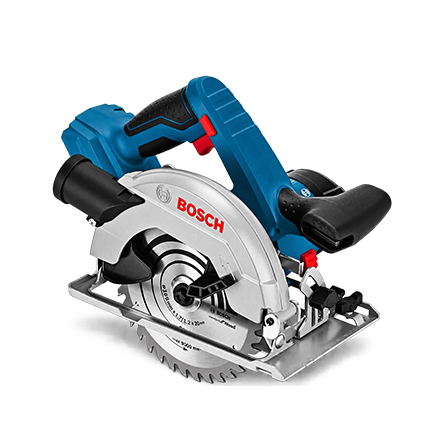
Cutting Blades & Saws
Industrial cutting blades and saws separate stock, bars, profiles and sheet using an edge designed for the material and machine. Network Industrial supports global procurement enquiries for saw blades and related cutting requirements in fabrication and maintenance. Blade construction, tooth geometry, material and machine speed determine suitability more reliably than the diameter alone.
Circular saws, band saws and plasma cutting systems use different cutting principles. Purchasing documentation should distinguish actual mechanical blades from consumables used by a plasma torch.
Description
Description
Industrial Applications
Circular saw machines are used for suitable wood, plastic and metal-cutting operations with blades designed for each material. Metalworking band saws cut bars, tubes and structural sections using a continuous toothed blade. Plasma systems use an electrically generated arc to cut conductive metals where the process and equipment are appropriate.
Production buyers may need a clean finish or rapid cutting of large sections. Tooth damage, poor coolant delivery and unsuitable clamping can reduce blade life. Material cross-section and machine rigidity influence which tool is practical.
Types and Configuration
Circular saw blades use a rotating disc with teeth or other specified cutting-edge constructions. Diameter, bore, kerf, tooth count and blade material must match the saw and workpiece. Carbide-tipped and high-speed steel configurations are used in different applications; an abrasive cut-off wheel is a separate consumable with its own safe-use limits.
Band saw blades form a loop around machine wheels. Blade width, length, thickness, tooth pitch and tooth set are key details. Bi-metal and carbide-tipped versions suit different material and production requirements. Variable tooth pitch can help manage vibration in certain cross-sections.
The term plasma cutting blades sometimes appears in broad product lists, but a plasma torch does not normally use a mechanical cutting blade. Its replaceable cutting components may include electrodes, nozzles, shields and swirl rings. These consumables are torch- and amperage-specific, so they should be quoted as plasma cutting consumables rather than saw blades.
Technical Specifications
Specify circular blade diameter, bore, tooth geometry, maximum rated speed and intended material. Check the machine manufacturer’s permitted blade type and guarding. A blade designed for one saw or material cannot be safely assumed compatible with another based only on bore size.
For band saws, record blade loop length, width, thickness, tooth pitch and machine model. The pitch must suit the wall thickness or stock cross-section so that the teeth engage properly. Blade tension, guides, feed and coolant also influence performance.
Plasma-cutting consumables require exact torch model, amperage, material and cutting mode. Match the electrode and nozzle to the approved torch system. A misidentified consumable can cause poor cutting or torch damage. Do not market a generic metal saw blade as a plasma torch replacement.
When ordering several blade types, keep them in distinct purchasing lines. The term cutting blade should not hide whether a product is a circular saw blade, band-saw loop, abrasive disc or plasma torch consumable. Include associated mounting hardware where required.
If cut quality deteriorates, inspect tooth condition, guides, workholding and machine setup. A new blade will not correct an incorrect band-saw tension or a worn guide. For plasma systems, also review gas quality and torch components under the manufacturer’s instructions.
Why Source from Network Industrial?
Network Industrial supports worldwide enquiries for industrial saw blades and correctly identified cutting consumables. Buyers can submit machinery references, sizes and quantities for quotation. Tool compatibility and available product specifications are confirmed for the exact offered components.
Request a Quotation
Send cutting process, machine or torch model, workpiece material, blade dimensions or consumable codes, quantities and delivery destination. Specify circular, band-saw or plasma equipment clearly.
FAQs
Do plasma cutters use mechanical saw blades?
Normally no. Plasma torches rely on compatible electrodes, nozzles and other designated consumables.
Can a circular saw blade fit any saw with the same bore?
No. Diameter, speed rating, material application and machine approval also matter.
Why does a band saw need the correct tooth pitch?
Tooth engagement with the stock affects chip formation, vibration and blade life.
Delivery Info
- Standard and Express delivery services are available for all items.
- Shipping costs are calculated at the checkout page (after delivery option & destination confirmation).
- Tracking is available for all delivery options.
- Items are delivered during standard business hours.
Reviews
There are no reviews yet.