


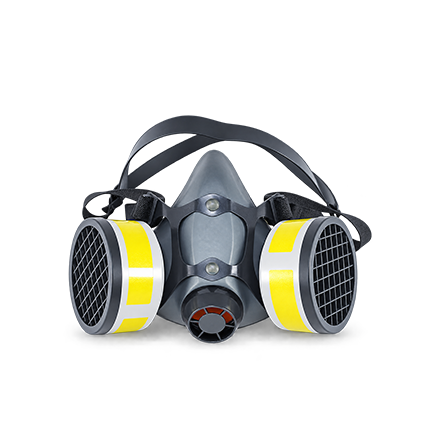
Respiratory Protection Equipment
Respiratory protection equipment limits inhalation exposure to particular airborne hazards when other workplace controls cannot adequately reduce risk. Network Industrial handles global enquiries for dust masks, respirators and breathing apparatus used in specified industrial environments. These products operate differently and must not be treated as interchangeable.
Selection begins with the identity and level of the hazard, the amount of available oxygen, the work duration and the relevant respiratory protection programme. A simple covering over the nose and mouth does not establish tested respiratory protection.
Description
Description
Industrial Applications
Fabrication, cleaning, painting, material handling and chemical processes can expose workers to dusts, fumes, mists, gases or vapours. The correct equipment depends on the substance and expected concentration. Local extraction, enclosure and process controls should be assessed before relying on a facepiece.
Respiratory devices also need to work with eye protection, helmets and communication requirements. Tight-fitting equipment can lose protection where straps, facial hair or other PPE interfere with the seal. Hazardous or oxygen-deficient atmospheres require specialised assessment.
Types and Configuration
The term dust masks covers a broad product range. Some are simple nuisance-dust coverings, while certified filtering facepiece respirators carry specified particulate filtration ratings. Respirators include disposable filtering facepieces, reusable half-mask and full-facepiece models, powered air-purifying devices and systems with approved filter or cartridge arrangements.
Breathing apparatus provides air from a dedicated supply rather than simply filtering surrounding air. Self-contained breathing apparatus uses its own air cylinder; airline equipment may rely on a remote approved breathing-air source. Escape-only devices have different intended limitations from equipment approved for entry or rescue.
Technical Specifications
Identify each airborne substance, concentration, physical form and workplace oxygen condition before choosing protection. Particulate filters do not automatically protect against solvent vapours or gases. Cartridge selection and change-out schedules depend on the particular contaminant and manufacturer’s data.
A required tight-fitting respirator may need medical evaluation, fit testing and user training under the applicable programme. Markings such as N95 and FFP2 are tied to distinct testing systems; neither should be assumed interchangeable without reviewing the destination’s criteria. Fit-tested users may need reassessment when changing model or size.
Breathing-air equipment requires checks on air quality, source, cylinder or hose compatibility, regulators and approved alarms. A cylinder’s nominal duration does not guarantee actual working time. All devices require appropriate cleaning, inspection and storage according to manufacturer instructions.
Never propose an ordinary filtering respirator for an unknown, oxygen-deficient or immediately dangerous atmosphere without a competent assessment and approved protective arrangement. Air-purifying equipment does not create oxygen. Emergency response and breathing apparatus also involve training, supervision and rescue plans beyond the equipment purchase itself.
For repeat procurement, distinguish facepieces, filters, cartridges, hoses, cylinders and replacement accessories on the order. Components from different systems may not be compatible even when they look similar. Record the original approved make and model as well as the required standards so proposed equivalents can undergo technical review.
Why Source from Network Industrial?
Network Industrial supports international sourcing enquiries for specified respiratory protective equipment and compatible replacement parts. Buyers can submit original references, industrial exposures and quantity requirements for quotation. Product approvals and availability should be checked for the actual supplied model.
Request a Quotation
Send the identified airborne hazards, approved respiratory equipment and filter references, size or fit requirements, quantities and delivery location. State if the enquiry requires a complete breathing-air assembly or selected components.
FAQs
Can an ordinary dust mask remove solvent vapours?
No. Particulate protection does not automatically address gases or chemical vapours.
Does an air-purifying respirator supply oxygen?
No. It filters the surrounding atmosphere and is unsuitable for oxygen-deficient conditions.
Can any cartridge fit a reusable respirator?
No. Only compatible and approved filter or cartridge combinations should be used.
Delivery Info
- Standard and Express delivery services are available for all items.
- Shipping costs are calculated at the checkout page (after delivery option & destination confirmation).
- Tracking is available for all delivery options.
- Items are delivered during standard business hours.

Reviews
There are no reviews yet.