


Tapping & Threading Tools
Tapping and threading tools form or cut specified screw threads in holes and on cylindrical components. Network Industrial handles worldwide sourcing enquiries for industrial taps, dies and thread mills used in machining, maintenance and production engineering. Tool selection begins with the thread specification, workpiece material and available machine process.
Internal and external threads use different cutting arrangements. A matching nominal diameter does not establish the correct thread pitch, hand, tolerance class or tap-drill size. Buyers should retain the complete tool designation whenever possible.
Description
Description
Industrial Applications
Taps are commonly used to create internal threads in drilled holes. Dies can cut or repair suitable external threads on rods and cylindrical parts. Thread milling is used on CNC machining centres that can follow a programmed helical path, especially where the operator needs controlled thread machining or flexibility with certain thread sizes.
Blind and through holes present different chip evacuation requirements. Threading harder steels or sticky aluminium alloys may need different geometries, coatings and coolant. The cost of scrapping an expensive workpiece after a broken tap also influences the choice of process.
Types and Configuration
Taps include straight-flute, spiral-flute and spiral-point constructions for different materials and hole types. Cutting taps remove chips, while forming taps displace suitable ductile material and require a different prepared-hole size. Hand taps and machine taps have different intended operating arrangements.
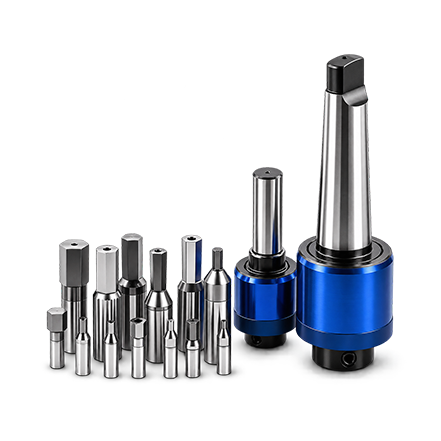
Dies make external threads and may be solid, split or adjustable depending on the application. They must match the required thread form and pitch. Thread mills use rotating teeth moved along a helical toolpath. Some tools can produce different diameter threads within their permitted range, but CNC interpolation and suitable programming are necessary.
Technical Specifications
Specify metric or imperial thread form, nominal size, pitch, direction and required tolerance class. For taps, identify whether the hole is blind or through, its depth and the workpiece material. The pilot-drill diameter must suit a cutting or forming tap; using the same size for both can cause tool failure or incorrect threads.
Select flute direction and chip evacuation for the job. Spiral-point taps often direct chips forward in suitable through-hole applications, whereas spiral-flute taps can draw chips back out of blind holes. These are application tendencies, not guarantees for every material and design.
Check tool substrate, coating, shank dimensions and machine synchronisation where relevant. Thread milling requires a suitable cutter, toolholder, helical interpolation and verified program. The tool’s nominal thread pitch and machining envelope must match the required feature.
External thread cutting with a die needs stable alignment and a suitable prepared diameter and lead-in. Insufficient lubrication, poor alignment or damaged threads can overload the tool. Verify thread gauges and inspection criteria for critical fits rather than judging thread appearance alone.
For replacement orders, separate taps, dies and thread mills by thread form and hand. A workshop may use the same nominal diameter with several pitches or cutting methods. The exact series and cutting-hole specification prevent incompatible tooling from being issued.
When a tap breaks repeatedly, inspect pilot-hole diameter, alignment, chip evacuation and torque control before changing to another grade. Thread milling can be useful in some difficult operations but is not a universal replacement for a tap, especially on equipment without the necessary CNC movement.
Why Source from Network Industrial?
Network Industrial supports global procurement requests for taps, dies, thread mills and corresponding replacement tooling. Buyers can provide thread schedules, original references and quantities for quotation. Available tool grades and technical compatibility are confirmed for each proposed item.
Request a Quotation
Send thread standard, size, pitch, hand, hole type or external feature, material, machine process and quantities. Include required tolerance and existing tool numbers when available.
FAQs
Can a forming tap use the same pilot hole as a cutting tap?
Not generally. Forming taps displace material and commonly require a different prepared-hole size.
Can thread mills run on any manual drill press?
No. They usually require CNC equipment capable of controlled helical interpolation.
Are taps and dies used for the same thread location?
Taps are mainly for internal threads, while dies normally produce external threads.
Delivery Info
- Standard and Express delivery services are available for all items.
- Shipping costs are calculated at the checkout page (after delivery option & destination confirmation).
- Tracking is available for all delivery options.
- Items are delivered during standard business hours.
Reviews
There are no reviews yet.