


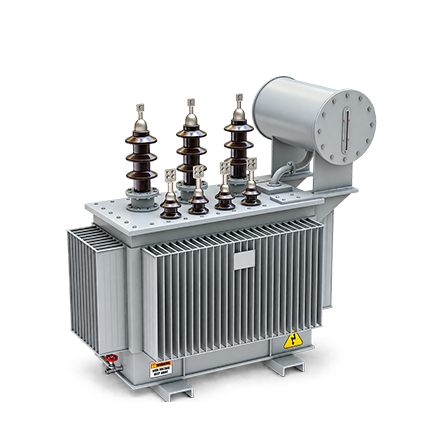
Transformers & Relays
Network Industrial supplies transformers and relays globally for industrial power and control applications. Machinery builders, maintenance teams and procurement departments can submit component requirements for existing equipment or new electrical assemblies.
A transformer transfers electrical energy between circuits through electromagnetic induction, commonly providing the voltage arrangement required by connected equipment. A relay changes a circuit state in response to a control input. These products serve different functions but frequently appear within the same electrical installation.
For purchasing, the intended duty comes first. Transformer voltage and capacity requirements must suit the connected load, while relay selection depends on both the control input and the circuit being switched. The original component reference helps identify these details for replacement enquiries.
Description
Description
Industrial Applications
Transformers are used where equipment requires a supply arrangement different from the incoming electrical source. Within machinery control systems, the transformer must accommodate the demands of the connected control devices.
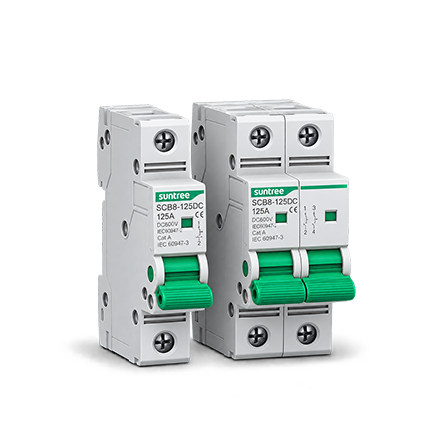
Relays allow one electrical signal to operate contacts in another circuit. They are used in machine sequencing, control interfaces and equipment status arrangements, according to the system design.
Repeated switching, starting loads and the conditions inside an enclosure affect component selection. A relay serving a small signal circuit faces different demands from one switching a heavier electrical load. Likewise, the initial demand of connected coils can matter when specifying a control transformer.
Electrical Configuration
Transformer enquiries should identify primary and secondary voltage requirements, supply frequency, capacity and mounting. Where electrical isolation is required, that function must be part of the specified design rather than assumed for every transformer.
Relay requirements combine the control-input rating with the contact arrangement and switching duty. The control voltage and the switched-circuit voltage are separate details. Socket compatibility, terminal layout and any associated suppression components also matter for replacements.
These configuration details belong within the product enquiry. A similar footprint or terminal count does not establish an electrically equivalent component.
Technical Specifications
The selected product determines its ratings and permitted use. Relevant enquiry details include:
| Parameter | Specification detail |
| Transformer input | Primary voltage, supply frequency and phase arrangement. |
| Transformer output | Required secondary voltage and connection configuration. |
| Transformer capacity | Continuous VA requirement and applicable starting-load demand. |
| Relay control input | Coil or input voltage, AC or DC supply and control characteristics. |
| Relay contacts | Contact arrangement, number of circuits and required switching action. |
| Switched load | Load voltage, current and electrical characteristics. |
| Installation | Dimensions, mounting, terminals and any mating socket reference. |
| Operating conditions | Ambient temperature, enclosure conditions and required documentation. |
Transformer capacity should reflect both normal demand and any relevant momentary load. In control circuits, devices that energise together may create a starting demand that differs from their steady operating consumption.
Relay contact ratings also depend on the load being switched. A resistive-load rating should not be applied automatically to an inductive load, and AC and DC switching limits may differ. These distinctions help buyers compare products on the same technical basis.
Why Source from Network Industrial?
Network Industrial brings transformers and relays into a wider electrical supply range covering protection, wiring and control components. This allows buyers to present the associated parts of a machine or panel requirement through one supplier enquiry.
For maintenance purchases, full references and clear photographs of markings help identify the original arrangement. For new equipment, a defined electrical schedule keeps transformer capacity, relay inputs and switching duties connected to the intended application rather than treated as isolated catalogue choices.
Request a Quotation
Share the component reference and quantity. For transformers, include input and output voltage, frequency and VA requirement. For relays, include control voltage, contact configuration, switched load and any socket reference.
FAQs
Is relay coil voltage the same as contact voltage?
No. Coil voltage operates the relay; the contacts switch a separate circuit with its own voltage and current requirements.
Is a transformer’s VA rating the only sizing requirement?
No. Voltage, frequency, load behaviour and relevant starting demand also matter. The required capacity must suit the intended operating conditions.
Can a relay with the same pin layout replace the original?
Not automatically. Contact arrangement, control input, switching ratings and socket compatibility must also match the application.
Delivery Info
- Standard and Express delivery services are available for all items.
- Shipping costs are calculated at the checkout page (after delivery option & destination confirmation).
- Tracking is available for all delivery options.
- Items are delivered during standard business hours.

Reviews
There are no reviews yet.