


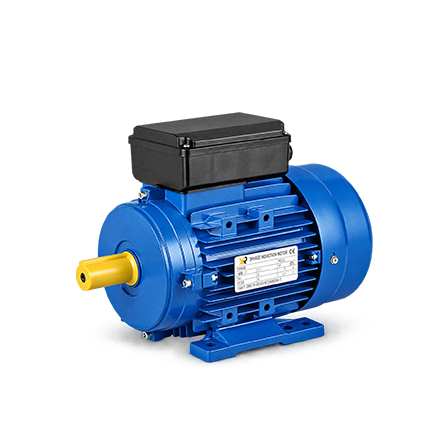
Industrial Electric Motors & Drives
Network Industrial supplies motors and drives globally, supporting industrial buyers with equipment for powered machinery, production systems and replacement requirements. Enquiries can cover an identified motor or drive, or a combined requirement based on the machine’s operating duty.
An electric motor converts electrical energy into mechanical movement. A drive controls the electrical input to a compatible motor to achieve the required operating behaviour. When used together, their ratings and control arrangements need to suit both the load and the available supply.
For buyers, motor power is only part of the specification. Required speed, starting torque, operating cycle and mounting dimensions all influence selection. Drive compatibility adds electrical, control and environmental details to the purchasing brief.
Description
Description
Industrial Applications
Motors and drives are used across conveyors, pumps, fans and production machinery. Their role varies with the load: moving material on a conveyor creates different demands from circulating air or driving a processing mechanism.
Some machines need steady operation at a defined speed. Others require controlled acceleration, changing speed or repeated starts. The load during startup may be different from the load during normal running.
Installation conditions also affect the product requirement. Enclosure temperature, cooling, available space and the mechanical connection to the equipment need consideration. For replacements, keeping the motor and drive references together helps establish how the original combination was intended to operate.
Motor and Drive Configuration
Motor configuration includes its electrical supply, shaft, frame, mounting and cooling arrangement. The driven machine determines the necessary speed and torque over the operating cycle.
Drive configuration includes the supply input, compatible motor characteristics, output-current capability and control interfaces. Required communication with the machine controller forms part of this specification.
Where speed changes are required, the useful operating range depends on the complete motor-and-load combination. Low-speed operation, repeated acceleration and any braking requirement should be included in the duty description. A drive’s headline power rating alone does not establish suitability for every motor of that nominal power.
Technical Specifications
The following parameters define the enquiry; actual ratings depend on the selected equipment.
| Parameter | Specification detail |
| Electrical supply | Voltage, frequency, phase arrangement and available input supply. |
| Motor output | Rated power, speed, torque and operating duty. |
| Starting requirement | Load at startup, acceleration and permitted operating cycle. |
| Drive capacity | Rated output current and overload capability for the stated duty. |
| Mechanical interface | Frame, shaft, mounting, fixing dimensions and coupling details. |
| Control interface | Command signals, feedback and communication requirements. |
| Environment | Ambient temperature, cooling, ingress protection and installation space. |
| Product compatibility | Existing motor and drive references, documentation and required approvals. |
Motor efficiency, thermal limits and the intended speed range should be considered with the application. Where a drive is used, compatibility can also depend on cable arrangements and the motor manufacturer’s operating requirements.
Electrical input and mechanical output must not be confused. A motor’s power rating does not directly describe its current under every supply condition. Similarly, two drives with the same nominal power can have different current or overload capabilities for the specified load.
Why Source from Network Industrial?
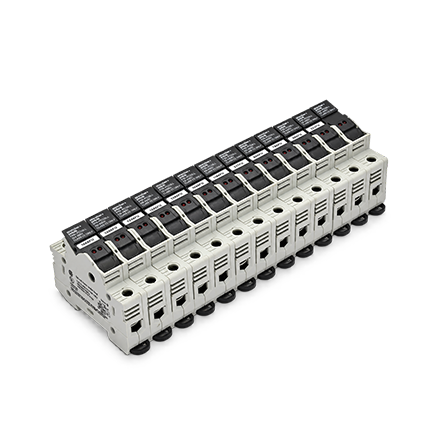
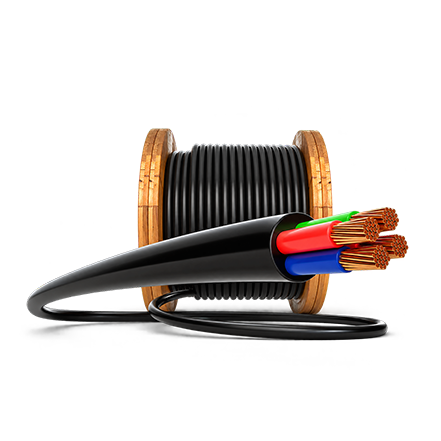
Network Industrial combines motor and drive enquiries with the electrical components around them, including cables, protection devices and control equipment. Buyers can organise related machinery requirements through one supplier contact.
For maintenance purchases, the nameplate and full model code provide a clear starting point. For new equipment, a load description and operating schedule give the enquiry a practical basis. Including the driven equipment reference also helps distinguish otherwise similar motors used in different parts of a facility.
Request a Quotation
Send the motor and drive references, power, voltage, speed, load duty and quantities. Include nameplate photographs, mounting dimensions and any required control or communication interfaces.
FAQs
Is matching motor power enough for a replacement?
No. Speed, torque, supply, mounting, shaft dimensions and operating duty also determine whether the motor suits the machine.
Can every motor operate with any drive?
No. Electrical ratings, control method, thermal behaviour and manufacturer requirements determine compatibility. The motor and drive must be assessed together.
Will a drive always reduce energy consumption?
No. Savings depend on the application and operating pattern. Variable demand can offer opportunities, but a fixed-load process may show different results.
Delivery Info
- Standard and Express delivery services are available for all items.
- Shipping costs are calculated at the checkout page (after delivery option & destination confirmation).
- Tracking is available for all delivery options.
- Items are delivered during standard business hours.
Reviews
There are no reviews yet.