


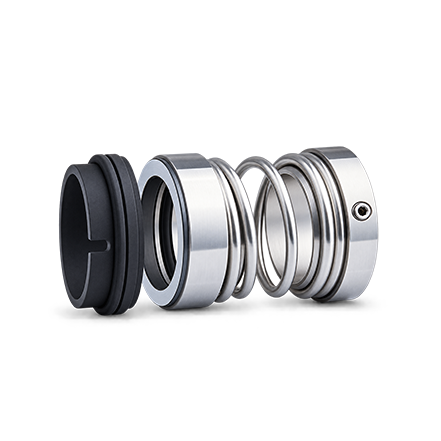
Hydraulic Seals & Fittings
Network Industrial supplies hydraulic seals and fittings globally, bringing sealing and connection requirements together for industrial equipment, hydraulic assemblies and maintenance purchases. Seals contain fluid at stationary joints and moving interfaces, while fittings connect the components and lines within the circuit.
These parts contribute to the integrity of the hydraulic connection. Their suitability depends on dimensions, materials, fluid compatibility and the operating conditions at the installation. Supply enquiries can cover identified replacement references or requirements supported by component drawings and application details.
For purchasing teams, careful identification helps distinguish parts that appear similar but have different functions. A seal profile, connection thread or mating face can change the required specification even when the overall size looks familiar.
Description
Description
Industrial Applications
Hydraulic seals are used within cylinders, valves and other fluid-power components to control leakage across the intended interface. Some work against moving surfaces, while others seal a stationary joint. Their operating demands depend on the application and the surfaces they contact.
Fittings connect pumps, valves, hoses, pipes and actuators throughout industrial machinery. They appear in power units, presses, lifting equipment and mobile hydraulic systems, where the connection must suit the working pressure and installation arrangement.
Service conditions influence both products. Fluid chemistry and temperature affect sealing materials, while vibration, movement and environmental exposure affect connection requirements. The purchase specification should describe these conditions alongside the dimensions rather than rely on visual similarity to the removed component.
Sealing and Connection Configuration
Seal configuration is defined by the installation location, profile and mating geometry. A moving interface has different demands from a stationary connection, and the seal must suit its intended duty.
Fitting configuration includes each connection end and its sealing method. Some joints seal at a separate face or sealing element rather than at the thread. This means thread engagement alone does not establish compatibility. The complete connection description should remain associated with the material and pressure requirements.
Technical Specifications
Dimensions and ratings depend on the selected seal or fitting. The following information establishes the technical basis for a supply enquiry.
| Parameter | Specification detail |
|---|---|
| Seal dimensions | Internal and external dimensions, section size and profile. |
| Installation geometry | Groove, housing or mating-surface details. |
| Seal material | Compound compatible with fluid, temperature and operating duty. |
| Pressure conditions | Normal pressure and relevant peaks or pressure direction. |
| Movement | Stationary or moving application and operating speed where relevant. |
| Fitting connections | Size, thread standard, pitch and sealing interface at each end. |
| Fitting construction | Material, dimensions and operating-pressure capability. |
| Environment | Temperature and exposure to moisture, chemicals or other conditions. |
Used seals may change shape through wear, compression or fluid exposure, so their measured dimensions do not always represent the original specification. The component drawing or established part reference is preferable where available. For fittings, the matching port specification provides the connection information needed alongside the removed part.
Why Source from Network Industrial?
Network Industrial brings seals and fittings into the same supply range as the hydraulic equipment around them. Buyers can include these smaller components within a wider maintenance enquiry covering pumps, valves, cylinders and line requirements.
An itemised purchase list helps keep each seal or fitting linked to its machine position and quantity. Exact references can be submitted directly; where identification is incomplete, drawings, dimensions and application details provide the basis for describing the required component.
FAQs
Can a seal material be identified from colour?
Colour alone is not a reliable material specification. Use the original compound reference or documented compatibility requirements for the application.
Is a new seal enough to resolve every leak?
No. Mating-surface damage, wear, incorrect dimensions or unsuitable operating conditions can also affect sealing. The component condition remains relevant to replacement work.
Are fittings with similar threads interchangeable?
Not necessarily. Thread form, pitch, sealing geometry and ratings may differ. A fitting must match the complete port and connection specification.
Request a Quotation
Send the part references, quantities and operating conditions. Include seal or groove dimensions for sealing requirements and the connection details at both ends for fittings.
Delivery Info
- Standard and Express delivery services are available for all items.
- Shipping costs are calculated at the checkout page (after delivery option & destination confirmation).
- Tracking is available for all delivery options.
- Items are delivered during standard business hours.
Reviews
There are no reviews yet.