


Pneumatic Pressure Gauges & Sensors
Network Industrial supplies pressure gauges and sensors globally, helping industrial buyers source instruments for local pressure readings, machine monitoring and control-system feedback. They support local pressure monitoring and provide feedback for machine control and operating checks.
A gauge presents a reading at the installation. A sensor converts measured pressure into a signal that connected equipment can use. The right instrument depends on where pressure is measured, how the information will be used and the conditions at that point in the system.
Our supply enquiries cover replacement instruments and defined requirements for new equipment. Measuring range, process connection and accuracy establish the main specification, with electrical output and power supply included where the instrument communicates with a control system.
Description
Description
Industrial Applications
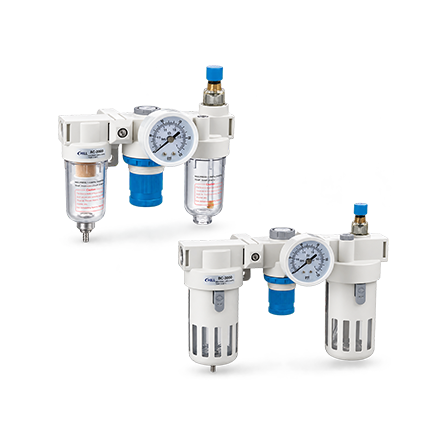
Pressure gauges provide local readings on air preparation units, machine connections and compressed-air equipment. Operators can use those readings to observe the pressure available to a process without accessing a control-system display.
Pressure sensors support automated equipment where a controller needs a pressure signal or an indication that a set condition has been reached. Packaging machinery, assembly fixtures and air-operated production systems use pressure information as part of their operating sequence and monitoring arrangements.
The measurement location affects the value seen during operation. A reading near the compressor may differ from one at a working machine when air is flowing. Instrument selection should reflect the pressure conditions at the actual measurement point, including expected fluctuations and occasional peaks.
Local Indication and Electrical Feedback
Gauges and sensors serve related measurement needs but provide information in different forms. Local indication depends on readable scale markings and a suitable viewing position. Electrical feedback depends on a signal that the receiving equipment can interpret.
Sensor outputs may provide a continuous measurement or indicate a switching condition, according to the selected device. These arrangements should be specified within the product enquiry. Measuring pressure does not itself regulate it; any control action is performed by the connected system.
Technical Specifications
Instrument ratings and interfaces depend on the selected model. The table below identifies the details relevant to specification and replacement enquiries.
| Parameter | Specification detail |
|---|---|
| Measuring range | Normal operating pressure, expected fluctuations and permitted peaks. |
| Pressure reference | Reference required by the application and existing equipment. |
| Accuracy | Stated tolerance, measurement basis and applicable conditions. |
| Process connection | Port size, thread standard, sealing interface and mounting position. |
| Wetted materials | Materials exposed to compressed air and any contaminants. |
| Indication | Display or dial requirements and visibility at the installation. |
| Sensor interface | Output signal, supply voltage, connector and wiring details. |
| Environment | Temperature, vibration and protection required against external exposure. |
Accuracy figures need a common basis when instruments are compared. A tolerance expressed as a percentage of full scale differs from one expressed as a percentage of the reading. The required range and accuracy should suit the operating pressure, rather than simply selecting the widest available range.
Why Source from Network Industrial?
Network Industrial supplies pressure measurement products alongside the pneumatic equipment they monitor. This gives industrial buyers a route to enquire about instrumentation and associated air-circuit components through the same supplier contact.
An enquiry can begin with an existing instrument reference or the measurement requirements of a new installation. Include any required calibration documentation or electrical interface details at the quotation stage so the purchase requirement is clear before a model is selected.
FAQs
Can a sensor replace a local pressure gauge?
Only if the application has a suitable way to display or use its signal. The two instruments do not necessarily provide the same interface.
Is a higher measuring range always preferable?
No. An unnecessarily wide range can make small changes harder to read, while an insufficient range may expose the instrument to excessive pressure.
Do identical pressure ranges mean sensors are interchangeable?
No. Output signal, electrical supply, accuracy, connection and pressure reference may differ between models.
Request a Quotation
Send the instrument reference, measuring range, connection size, accuracy requirement and quantity. For sensors, add the output signal, supply voltage and connector details.
Delivery Info
- Standard and Express delivery services are available for all items.
- Shipping costs are calculated at the checkout page (after delivery option & destination confirmation).
- Tracking is available for all delivery options.
- Items are delivered during standard business hours.
Reviews
There are no reviews yet.