


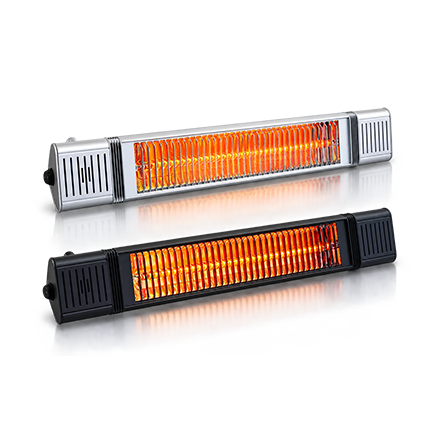
Infrared Heaters
Infrared heaters transfer radiant energy to a product or surface without requiring direct physical contact. They are used where heat needs to reach a defined area for drying, curing or material preparation. Network Industrial supplies industrial infrared heaters globally for replacement requirements and production heating applications.
Successful selection depends on how the material absorbs radiation and how long it remains exposed. Heater power, working distance, coverage and process speed must be considered together. A heater that fits the available space may still produce the wrong heating pattern or response for the product.
Description
Description
Industrial Applications
Infrared process heating is used in coating and adhesive curing, surface drying and plastics processing where the material and production method are suitable. It can concentrate heat on a working surface while allowing the heating arrangement to be divided into controlled zones.
For moving products, exposure time changes with line speed. For stationary work, the heating cycle and distribution across the surface become central to selection. Product thickness, finish and moisture content can also affect the result.
Configuration and Selection
Specify the required emitter dimensions, heated area, mounting arrangement and electrical connection. The emission characteristics must suit the material being processed; identical wattage does not establish that two infrared elements will heat it in the same way.
Provide the existing heater reference where available. For a new installation, include the product dimensions, target temperature, working distance and available exposure time.
Technical Specifications
The following information supports product selection. Actual ratings and operating limits must be checked for the proposed model.
| Parameter | Details to Confirm |
| Electrical rating | Supply voltage, phase and rated power |
| Emitter dimensions | Length, width, heated area and mounting points |
| Emission characteristics | Suitability for the material and heating duty |
| Working distance | Specified separation between emitter and product |
| Process conditions | Target temperature, exposure time and line speed |
| Heat distribution | Coverage, reflector arrangement and zone layout |
| Connections | Terminal style, lead routing and sensor provision |
| Installation environment | Contamination, ambient conditions and guarding needs |
Heater surface temperature is not the same as product temperature. Product temperature depends on absorbed energy, exposure time and heat losses. The control arrangement should therefore measure the condition relevant to the process rather than relying only on the heater’s rating.
Keep the production environment in view. Dust or deposits can affect exposed heating surfaces and reflectors. Equipment access, cleaning requirements and protective guarding belong in the installation specification. Processes involving flammable vapours require equipment and controls specifically assessed for those conditions.
Why Source from Network Industrial?
Network Industrial gives industrial buyers a supplier contact for infrared heater enquiries alongside wider maintenance and production component requirements. Our global supplier role suits enquiries based on an existing part, a machine schedule or a defined heating specification.
Make the enquiry specific to your process: identify the material, required heating area and operating cycle as well as the element details. This helps keep purchasing decisions tied to the application. Ask for the relevant model information with the quotation so your team can review dimensions, electrical compatibility and installation requirements together.
Request a Quotation
Send the heater model or photographs, dimensions, voltage, wattage and required quantity. Include the material being heated, working distance, target temperature and line speed or cycle time. Add your delivery destination and any mandatory equipment documentation.
FAQs
Can infrared heaters heat every material equally?
No. Absorption varies with the material, its surface condition and the heater’s emission characteristics. A polished surface and a coated surface can respond differently. Selection should consider the actual product, with testing where the heating response has not been established.
Is the hottest heater always the best choice?
No. The required result depends on the heat reaching and being absorbed by the product over the available time. Excessive surface heating can damage a coating or material before the required process condition is reached.
Can an infrared element be replaced by size alone?
No. Check voltage, power, emission characteristics, mounting and connection details, along with any integrated sensor. Confirm that the replacement suits the existing controls and heating pattern. Matching external dimensions does not establish equivalent process performance.
Delivery Info
- Standard and Express delivery services are available for all items.
- Shipping costs are calculated at the checkout page (after delivery option & destination confirmation).
- Tracking is available for all delivery options.
- Items are delivered during standard business hours.
Reviews
There are no reviews yet.