


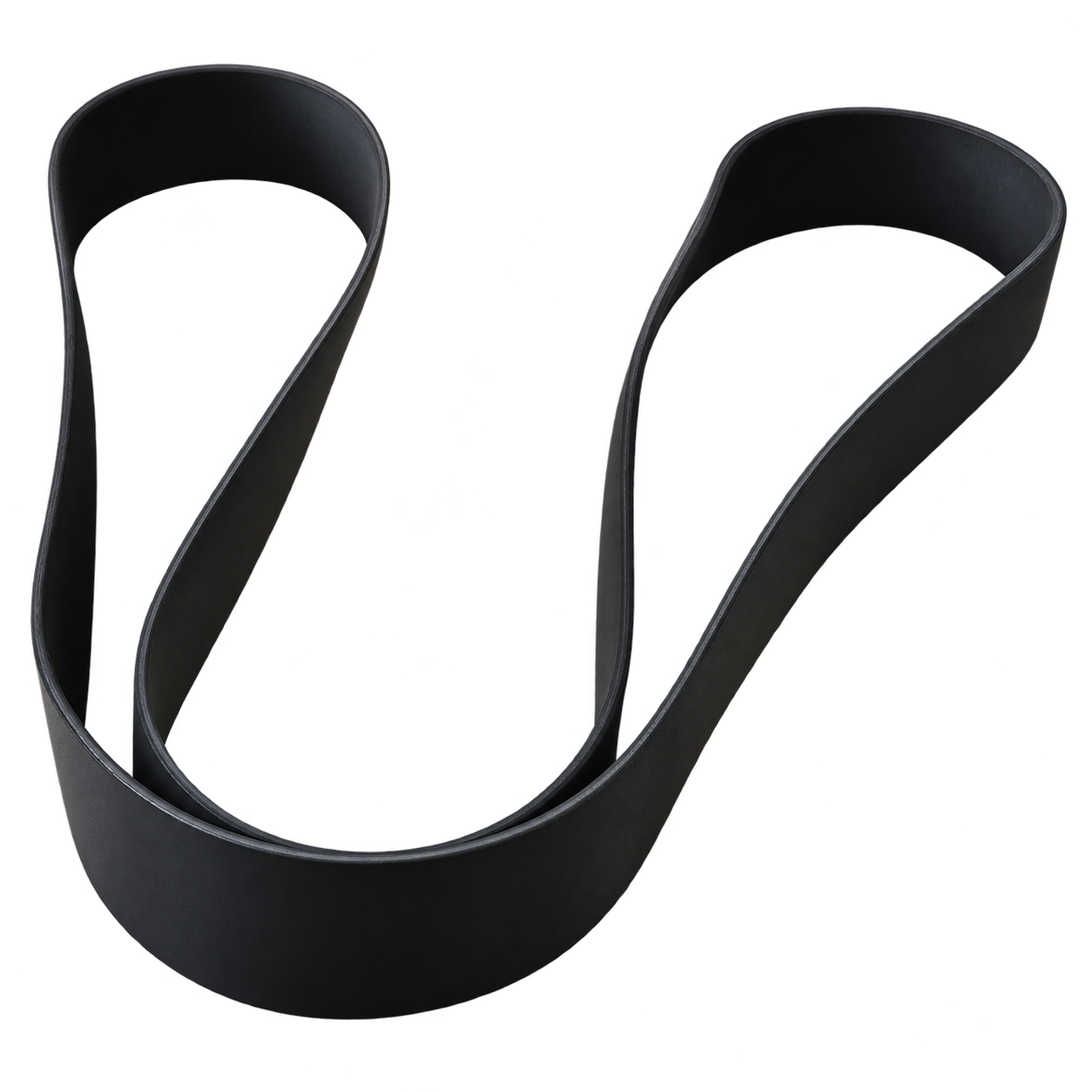
Flat Belts
Network Industrial supplies industrial flat belts for power transmission, machine feeding, and handling applications in the UAE. Their flat profile provides a broad contact surface for use in printing, paper processing, textile machinery, and other compatible equipment.
Description
Description
Flat Belts for Drives and Machine Feeding
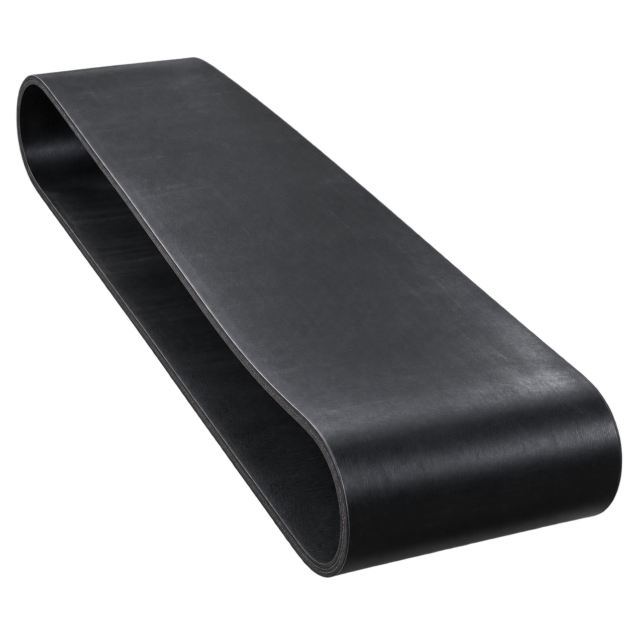
Flat drive belts transfer power through friction against pulley surfaces. Machine tapes and feeding belts use their contact surface to guide or move products through equipment.
Although these belts can look similar, their construction and duties differ. A replacement needs to suit the required grip, tension, bending behavior, and operating speed.
What Determines Flat Belt Performance?
Traction Layer
The traction layer carries belt tension. Materials such as polyamide, polyester, and aramid provide different strength, flexibility, and elongation characteristics.
Contact Surface
The surface affects grip against pulleys or conveyed products. The correct finish depends on whether the application requires traction, controlled release, or careful product handling.
Thickness and Flexibility
Belt thickness influences bending around pulleys and through the machine path. Small pulleys and reverse bends require a construction suited to repeated flexing.
Joint Construction
Flat belts may use different joining methods or a seamless construction. Joint selection must account for the belt material, machine clearance, speed, and working load. Power transmission belts
Typical Applications
- Printing and paper processing: Sheet feeding, folding, and converting.
- Textile machinery: Tangential drives and related transmission tasks.
- Packaging equipment: Product feeding and movement between stages.
- Industrial machinery: Friction drives requiring a flat belt profile.
Selecting a Flat Belt
Match the belt to its job rather than its dimensions alone. A feeding belt needs an appropriate product-contact surface, while a drive belt must meet the transmission requirements.
Check pulley diameters, belt routing, available tension adjustment, and the existing joining method. Where a belt contacts sensitive products, specify any marking or surface requirements.
Details to Include in Your Inquiry
- Existing belt code or material reference.
- Width, thickness, and working length.
- Drive, feeding, or conveying function.
- Surface finish and grip requirements.
- Pulley diameters and operating speed.
- Existing joint type.
- Temperature, moisture, and chemical exposure.
Frequently Asked Questions
Is a flat belt the same as a conveyor belt?
“Flat” describes a belt profile, while “conveyor” describes a function. Some flat belts convey products, but a flat power transmission belt should not automatically be used as a replacement for conveyor belting.
Why does a flat belt move sideways?
Pulley alignment, tension, installation, and belt condition can affect tracking. The cause should be checked before a replacement is ordered.
Request a Flat Belt Quote
Share your belt dimensions, machine details, and application with Network Industrial. Photographs of the belt surface, joint, and routing can help clarify the requirement.
Delivery Info
- Standard and Express delivery services are available for all items.
- Shipping costs are calculated at the checkout page (after delivery option & destination confirmation).
- Tracking is available for all delivery options.
- Items are delivered during standard business hours.
Reviews
There are no reviews yet.