


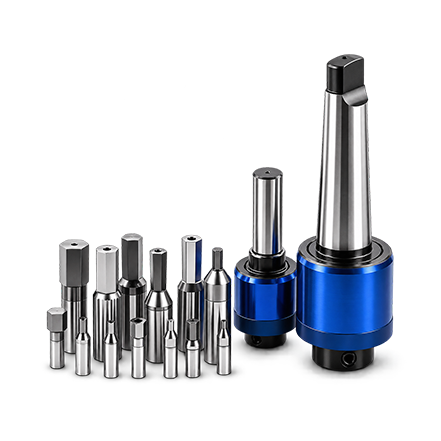
Broaching Tools
Broaching tools use a series of cutting teeth to produce a defined profile through controlled linear or rotary machining arrangements. Network Industrial handles global enquiries for industrial broaching tools used in gear, shaft, coupling and precision-component manufacture. The correct tool depends on the required profile, material, available machine and cutting method.
A broach is commonly made for a particular form and size. Matching the overall tool length does not establish the correct tooth progression or finished geometry. Accurate part drawings are therefore central to a replacement or new-tool enquiry.
Description
Description
Industrial Applications
Internal broaching is used for keyways, splines and other features inside preformed holes. External or surface broaching can produce grooves, flats and particular profiles on the outside of components. Rotary broaching may be used to form internal or external polygonal features on suitably equipped lathes and machining centres.
In production environments, broaching can produce repeatable forms with a suitably controlled setup. Repair shops may need a small-volume keyway tool or a purpose-designed tool for a replacement gear. The suitability of broaching depends on the profile, stock allowance and available machine stroke or rotary mechanism.
Types and Configuration
Linear broaches carry a progression of cutting teeth, with material removal distributed along the tool. Push and pull constructions exist for different machines and applications. Keyway broaches are typically used with a matching guide or bushing and any specified shims. Internal spline broaches and surface broaches use different profiles and support requirements.
Rotary broaching tools use a purpose-designed broach and holder that allows a small angular offset or controlled rotary action. They are often used for socket-type polygonal features in suitable materials. Rotary tools should not be described as directly interchangeable with long linear broaches, since the machine motions and mounting arrangements are different.
Technical Specifications
Provide a profile drawing, internal or external feature dimensions, tolerances, material and starting-hole or stock condition. For linear broaching, identify the machine’s permitted stroke, push or pull arrangement, maximum force and tool support. Tooth rise, total stock removal and finished size are design parameters rather than details to infer from a photograph.
Broach material and coating depend on the workpiece and cutting conditions. Accurate alignment prevents uneven tooth loads and damage. Chips must be cleared and the manufacturer’s lubrication method followed. A worn guide or incorrectly selected shim can affect keyway size even when the broach is otherwise sound.
Rotary broaching requires compatible holder connection, tool geometry and machine operating conditions. The workpiece must have the appropriate starting feature and clearance. Surface finish, tool wear and achievable profile accuracy depend on the material and process setup.
For a replacement, identify whether the requirement is the cutting broach, guide bushing, shim set or holder. A complete assembly may contain several separately specified components. If the original has been resharpened, check how regrinding may affect its dimensions and acceptable service life.
Keyway requirements should state the width, depth, position and relevant mating shaft dimensions. In a spline application, provide the tooth count, module or pitch, pressure angle where applicable and applicable drawing standard. These dimensions distinguish tools that may look almost identical.
Why Source from Network Industrial?
Network Industrial handles international broaching-tool enquiries against engineering drawings, established product numbers and process requirements. Buyers can request quotation for individual broaches or specified assemblies. Materials, tool construction, availability and suitability are verified for the actual proposed item.
Request a Quotation
Send the required profile drawing, workpiece material, existing hole or stock dimensions, machine method, required tolerance and quantity. Include bushing or holder references where a replacement must match installed equipment.
FAQs
Can one broach produce any keyway width?
No. Keyway broaches are made for defined widths and must be used with the appropriate guide arrangement.
Are rotary and linear broaching identical processes?
No. They use different tool geometry, holders and machine motions.
Why is a drawing important when buying a broach?
It defines the finished profile, tolerances and dimensions needed to identify a compatible tool.
Delivery Info
- Standard and Express delivery services are available for all items.
- Shipping costs are calculated at the checkout page (after delivery option & destination confirmation).
- Tracking is available for all delivery options.
- Items are delivered during standard business hours.
Reviews
There are no reviews yet.