


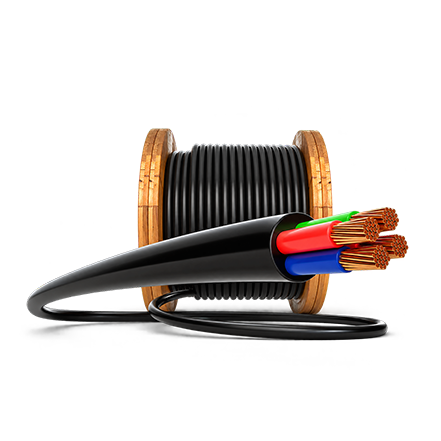
Electrical Wires & Cables
Network Industrial supplies electrical wires and cables globally for machine wiring, power distribution and industrial control connections. Procurement teams can bring replacement requirements, cable schedules and new equipment enquiries to one supplier, with each line identified by its electrical duty and installation needs.
Wires and cables carry power or signals between equipment. Their construction determines where they can operate, how they can be routed and which terminations they can accept. A cable for a stationary panel connection may have different requirements from one that moves repeatedly with a machine.
For buyers, an accurate description makes quotations easier to compare. Conductor size, core count, voltage designation and insulation details provide a stronger purchasing basis than appearance or outside diameter alone. Existing cable markings are particularly useful when matching a replacement.
Description
Description
Industrial Applications
Industrial electrical cables connect distribution equipment to machinery and link components within control panels. They also carry commands and feedback between controllers, instruments and connected devices.
On a production line, the route may pass through enclosed cabinets, cable trays and moving equipment. Each section brings different mechanical and environmental demands. Heat, oils, moisture and repeated bending can all affect the required construction.
Power circuits and sensitive signal connections also have different priorities. Current capacity and voltage drop matter for power delivery, while signal integrity and interference become relevant to control connections. A combined purchasing list can cover both duties, provided each cable’s purpose remains clearly identified.
Cable Construction and Configuration
Conductor arrangement, insulation, outer covering and any screening form part of the complete cable specification. Screening requirements depend on the signal and surrounding equipment; a screened construction alone does not establish a complete interference-control solution.
For moving applications, permitted bend radius and suitability for repeated flexing deserve particular attention. A cable described as flexible is not automatically suitable for continuous machine movement. Required lengths, core identification and termination dimensions complete the enquiry.
Technical Specifications
Ratings depend on the selected product and installation conditions. The following details help define a wire or cable requirement.
| Parameter | Specification detail |
| Conductor | Material, cross-sectional area and conductor construction. |
| Core arrangement | Number of cores, identification and any protective conductor. |
| Electrical rating | Rated voltage and current capacity under stated conditions. |
| Insulation and sheath | Materials appropriate to temperature and environmental exposure. |
| Screening | Required screen construction and signal-circuit application. |
| Mechanical duty | Fixed or moving installation, bending and flexing requirements. |
| Dimensions | Outside diameter, termination clearance and required length. |
| Documentation | Product designation and applicable project approval requirements. |
Current capacity depends on how the cable is installed, including ambient temperature and grouping with other cables. A catalogue rating should therefore be considered with its stated conditions. For replacement purchases, changes in conductor size or insulation can also affect terminals, glands and available routing space.
Why Source from Network Industrial?
Bring your wiring requirements together with the switches, protection devices and control equipment used around them. Network Industrial’s electrical product range gives you one supplier contact for related components, making it easier to organise a machine or panel purchasing enquiry.
We welcome requirements based on original product references or a defined cable schedule. Keeping quantities, lengths and equipment references together helps distinguish similar-looking cables and gives each quotation line a clear purpose.
Request a Quotation
Send your cable designation, conductor size, core count, voltage requirement and quantity or total length. Include installation conditions, required documentation and photographs of existing markings where available.
FAQs
Can two cables with the same core count replace each other?
Not necessarily. Conductor size, voltage rating, insulation, screening and mechanical duty may differ. The replacement must suit the complete application.
Does a larger outside diameter mean a higher current capacity?
No. Outside diameter includes insulation and coverings. Conductor size and installation conditions are more relevant to current capacity.
What if the original cable marking is unreadable?
Provide the equipment drawing or cable schedule, photographs, dimensions and operating conditions. These help define the requirement without relying on appearance alone.
Delivery Info
- Standard and Express delivery services are available for all items.
- Shipping costs are calculated at the checkout page (after delivery option & destination confirmation).
- Tracking is available for all delivery options.
- Items are delivered during standard business hours.

Reviews
There are no reviews yet.