


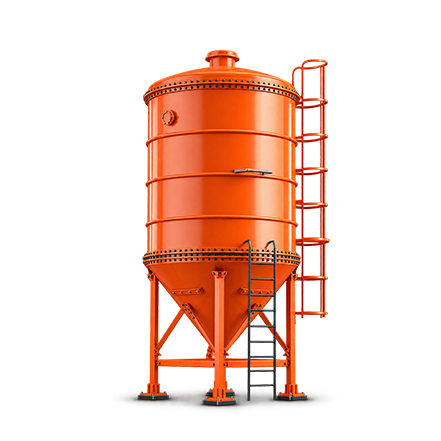
Hydraulic Reservoirs / Tanks
Network Industrial supplies hydraulic reservoirs and tanks globally, supporting industrial buyers with fluid-storage requirements for hydraulic power units, machinery installations and equipment replacements. The reservoir stores the working fluid and accommodates changes in fluid volume as cylinders and other components move through the machine cycle.
The tank also forms part of the system’s fluid-management arrangement. Its internal layout influences circulation, air separation and the condition of fluid reaching the pump. A suitable reservoir therefore combines adequate usable volume with the required connections, mounting and access provisions.
Supply enquiries can be based on an existing tank drawing or the defined requirements of a new installation. Capacity, construction and connection layout should be considered together, particularly where the reservoir fits within a restricted machine envelope.
Description
Description
Industrial Applications
Hydraulic reservoirs are used with power units serving presses, production fixtures, clamping systems and other fluid-powered equipment. They provide a central fluid supply for the circuit and receive returning oil as the machine operates.
Equipment layout determines where the tank sits in relation to the pump and connected components. Some installations also place equipment on or beside the reservoir, making structural support and maintenance access relevant to the purchase.
Continuous-duty machinery needs a fluid-management arrangement suited to the heat generated during operation. Mobile equipment adds requirements associated with installation space and permitted operating angles. In each case, the reservoir specification should reflect the actual working conditions rather than nominal volume alone.
Tank Configuration
The reservoir configuration includes its operating fill volume, connection positions and internal flow arrangement. The layout must accommodate fluid returning from the circuit while maintaining a suitable supply to the pump.
Inspection openings, drain points and interfaces for level monitoring affect how the tank is used and maintained. Internal partitions or return arrangements shown on the original drawing may also be significant. These details belong within the reservoir requirement and should remain associated with the specified capacity and dimensions.
Technical Specifications
Tank ratings and construction depend on the selected design. The following parameters describe the information relevant to a supply quotation.
| Parameter | Specification detail |
|---|---|
| Capacity | Nominal volume, working fill volume and required level variation. |
| Dimensions | Overall length, width, height and available installation space. |
| Construction | Material and compatibility with the hydraulic fluid. |
| Connections | Suction, return, drain and additional connection locations. |
| Access | Filling, inspection, cleaning and drain provisions. |
| Mounting | Fixing positions and any equipment support requirements. |
| Fluid management | Internal layout and interfaces for filtration or monitoring. |
| Operating conditions | Fluid temperature, environment and intended pressure conditions. |
Nominal tank capacity is not the same as the usable fluid volume during operation. The machine cycle can change the fluid level, and space is needed for the intended expansion and return conditions. Tank geometry also influences air separation. A smaller replacement requires assessment of these functions rather than a comparison of external dimensions alone.
Why Source from Network Industrial?
Network Industrial’s hydraulic supply range allows reservoir enquiries to sit alongside the pumps, filters, valves and connections associated with the installation. This is useful when a tank replacement forms part of a power-unit purchase or planned equipment refurbishment.
Your enquiry can identify the original drawing or set out the required capacity and connection layout. Including the surrounding equipment requirements gives the purchasing brief a defined scope and helps distinguish the tank itself from separately specified accessories.
FAQs
Is reservoir capacity selected only from pump flow?
No. Fluid-volume changes, operating duty, thermal conditions and tank design also influence the required capacity. The complete system requirement should be considered.
Does a larger tank remove the need for cooling equipment?
Not necessarily. Heat generation and heat rejection depend on the application. Reservoir volume alone does not establish adequate temperature control.
Can an ordinary reservoir be used as a pressure vessel?
Only equipment specifically designed and rated for the intended pressure may serve that duty. A storage reservoir should not be assumed suitable for pressurised service.
Request a Quotation
Send the reservoir drawing, capacity, dimensions, fluid specification and quantity. Include connection locations and installation photographs where the new tank must fit existing equipment.
Delivery Info
- Standard and Express delivery services are available for all items.
- Shipping costs are calculated at the checkout page (after delivery option & destination confirmation).
- Tracking is available for all delivery options.
- Items are delivered during standard business hours.
Reviews
There are no reviews yet.