


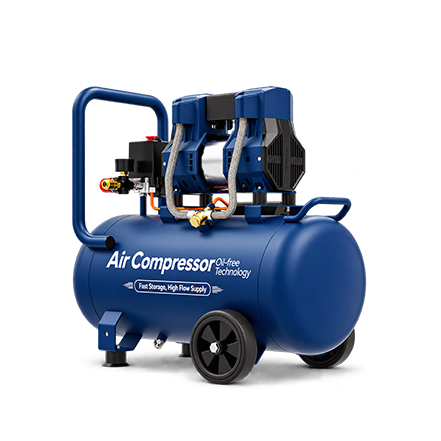
Air Compressors
Network Industrial supplies air compressors globally, supporting the compressed-air requirements of industrial buyers, from workshop equipment to factory production systems. Compressors provide the compressed air used by pneumatic tools, valves and actuators, supporting operations from individual workstations to equipment operating across a factory.
A suitable compressor delivers the required airflow at the working pressure of the connected equipment. Its operating duty, power supply and air-treatment requirements also influence the purchase. Our supply enquiries can cover a replacement compressor or a new requirement based on the equipment being served, daily working hours and installation conditions.
Capacity should reflect how the air system actually operates. A workshop with occasional tool use has a different demand profile from a production line with repeated pneumatic cycles throughout a shift.
Description
Description
Industrial Applications
Air compressors serve assembly benches, pneumatic fastening tools and workshop equipment. In manufacturing, they provide the air supply for machinery that uses cylinders, clamping devices and automatic controls. Packaging lines use compressed air for product handling and machine actuation, while maintenance workshops need a supply suited to the tools operated at the same time.
Processes involving contact between compressed air and a product need a defined air-quality requirement. The compressor and downstream treatment must be considered together in these applications. An industrial air supply should not be assumed suitable for breathing air or direct product contact without the necessary specification.
The pattern of demand affects equipment selection. Short peaks, sustained consumption and periods of low use place different demands on compressor capacity and control.
Types and Configurations
Compressor arrangements include reciprocating, diaphragm, rotary screw, rotary vane, scroll, centrifugal and axial designs. These differ in their compression mechanism and intended duty. Oil-free and oil-lubricated arrangements describe another aspect of the equipment specification.
These terms help identify a requirement; they do not make different compressor designs interchangeable. The proposed equipment must match the pressure, delivered airflow and working schedule of the application.
Technical Specifications
Ratings vary by compressor model. A quotation should identify the actual equipment specification rather than apply one set of figures to the entire product range.
| Parameter | Specification detail |
|---|---|
| Air delivery | Delivered airflow at the stated working pressure and test conditions. |
| Operating pressure | Required working pressure and the equipment’s permitted limits. |
| Motor and supply | Power rating, voltage, phase and frequency. |
| Operating duty | Daily hours, load pattern and permitted duty capability. |
| Receiver | Storage capacity and arrangement where a receiver is included. |
| Air treatment | Required limits for moisture, particles and oil at the point of use. |
| Installation | Dimensions, ventilation, ambient temperature and noise requirements. |
Free air delivery provides a basis for comparing usable output when the test conditions are equivalent. Motor horsepower and receiver volume describe other characteristics; neither establishes air delivery on its own. The receiver can accommodate temporary changes in demand but cannot compensate for a continuous shortage of compressor output.
Why Source from Network Industrial?
Network Industrial brings compressor enquiries into the same product range as the air preparation, control and connection components used downstream. You can present the air-supply requirement alongside the pneumatic equipment it will serve, keeping the purchasing brief connected to the application.
For planned expansion, include the additional equipment as well as today’s air demand. For replacement purchases, the original specification and operating schedule provide a clear basis for requesting comparable equipment.
FAQs
Is motor horsepower enough to select a compressor?
No. Compare delivered airflow at the required pressure, then consider duty, power supply and air-quality requirements.
Does oil-free compression guarantee clean air at the outlet?
No. Intake air, moisture, downstream treatment and pipework also affect the quality delivered to the equipment.
Should compressor capacity include future equipment?
Yes, where expansion is planned. Identify the additional demand and operating schedule so capacity is assessed against a defined requirement.
Request a Quotation
Share the required airflow, working pressure, daily operating hours and available power supply. Include your installation location and quantity for an air compressor supply enquiry.
Delivery Info
- Standard and Express delivery services are available for all items.
- Shipping costs are calculated at the checkout page (after delivery option & destination confirmation).
- Tracking is available for all delivery options.
- Items are delivered during standard business hours.
Reviews
There are no reviews yet.