


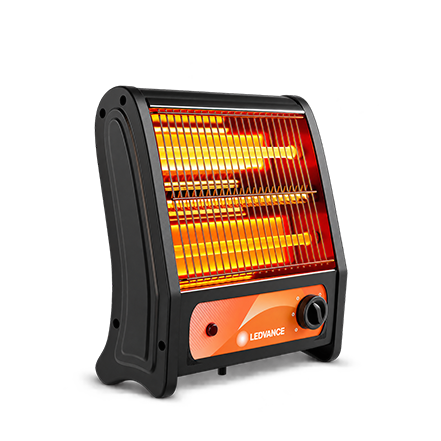
Electric Heaters
Electric heaters provide heat directly where a manufacturing process needs it: inside a mould, around a machine barrel or across a heated assembly. Network Industrial supplies industrial electric heaters globally for equipment replacement, maintenance purchasing and new project requirements.
A suitable heater must match both the available electrical supply and the way heat moves into the process. Power rating alone does not establish compatibility. Dimensions, contact with the heated surface, operating temperature and connection details all affect the selection. Send an existing part number or a defined specification to begin your enquiry.
Description
Description
Industrial Applications
Electric process heaters are used in plastics processing, mould heating, packaging machinery and other temperature-controlled production equipment. Their purpose may be to bring a machine to its working temperature, replace heat lost during operation or maintain a defined thermal condition between production cycles.
For replacement work, identify the complete heating zone. Several elements may operate together, and changing one element’s rating can alter the balance of that zone. Record the machine reference, existing electrical arrangement and any change in process duty before choosing a substitute.
Types and Configuration
Tubular heaters use a sheathed element that can be formed to suit the heating assembly. Cartridge heaters fit into appropriately sized bores for localised heating. Band heaters fit around cylindrical surfaces, such as barrels, where contact and clamping affect heat transfer.
These configurations sit within the Electric Heaters range. Confirm the required form, heated length and mounting arrangement against the original component or equipment drawing.
Technical Specifications
Use the following details to define the required heater. Final ratings depend on the selected model and application.
| Parameter | Details to Confirm |
| Electrical supply | Rated voltage, phase and connection arrangement |
| Power rating | Required wattage and number of heating zones |
| Dimensions | Overall size, diameter and active heated length |
| Operating temperature | Process target and allowable element temperature |
| Sheath or contact material | Compatibility with the equipment and environment |
| Mounting | Bore fit, clamping or fixing dimensions |
| Termination | Lead length, terminal position and protection |
| Control interface | Sensor arrangement and switching requirements |
The process temperature and the element’s maximum allowable temperature are different limits. The element may run hotter than the material it heats. Suitable sensing, control and independent overtemperature protection should be established for the complete equipment.
Watt density describes power over the active heating surface. A compact heater with a high output can place more heat into a smaller area, so the permitted watt density must suit the contact conditions and process. Poor fit or inadequate heat transfer can cause local overheating even when the overall wattage matches.
Why Source from Network Industrial?
Bring your electric heater requirements and related industrial component enquiries to one supplier contact. Network Industrial serves buyers globally, with a sourcing enquiry that can begin from an original manufacturer reference, a maintenance specification or a project drawing.
For a meaningful comparison, specify the details that must remain unchanged: voltage, wattage, dimensions, termination and installation conditions. Include any documentation your purchasing team needs. This gives the quotation a clear technical basis and makes differences between proposed items easier to review before ordering.
Request a Quotation
Send Network Industrial the heater reference, quantity, electrical rating and dimensioned drawing or photographs. Include the working temperature, machine application and delivery destination. For an alternative to an existing part, identify which dimensions and ratings are mandatory.
FAQs
Can I replace a heater with one that has the same wattage?
Wattage is only one requirement. Check voltage, dimensions, heated length, material, termination and mounting fit. The replacement must also suit the operating temperature and heat-transfer conditions of the equipment.
Does a higher wattage always mean better heating?
Higher wattage increases the available heat input, but the process and control system must be able to use it. An unsuitable increase can overheat the element or product. Confirm the required heating duty before changing the rating.
What helps identify an unmarked heater?
Provide clear photographs, overall and heated dimensions, lead or terminal details, the machine model and any available drawing. Include the supply voltage and original circuit information. A visual match alone cannot confirm electrical or thermal suitability.
Delivery Info
- Standard and Express delivery services are available for all items.
- Shipping costs are calculated at the checkout page (after delivery option & destination confirmation).
- Tracking is available for all delivery options.
- Items are delivered during standard business hours.
Reviews
There are no reviews yet.