


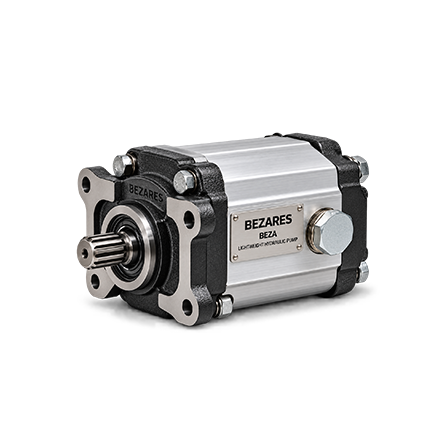
Hydraulic Pumps
Network Industrial supplies hydraulic pumps globally, helping industrial buyers source the fluid-power components needed for new machinery, power units and equipment replacements. The pump provides the fluid flow used to operate cylinders, motors and other components, converting mechanical input from a drive into hydraulic energy.
A hydraulic pump must deliver the required flow while operating within the pressure and speed limits of the circuit. Its displacement, mounting arrangement and drive connection define how it works with the rest of the machine. Our supply enquiries can begin with an existing pump reference or a defined specification for new equipment.
For industrial purchasing, the complete duty matters. A pump used intermittently on a workshop machine has a different operating schedule from one supporting continuous production. The quotation requirement should reflect that schedule as well as the nominal rating.
Description
Description
Industrial Applications
Hydraulic pumps supply fluid power to presses, clamping equipment, lifting mechanisms and machinery that needs controlled force. In production equipment, they provide the flow required for a cylinder to complete its stroke or a hydraulic motor to drive a mechanism.
Mobile and agricultural equipment also use hydraulic pumps for powered attachments and machine functions. Here, the drive connection, available space and equipment-specific mounting dimensions are central to replacement selection.
The pump works within a circuit whose valves and load determine the pressure required. Delivered flow influences actuator speed, while pressure capability supports the force or torque demanded by the application. Both requirements need to be considered when comparing a proposed pump with the existing unit.
Types and Configurations
Hydraulic gear pumps and single-vane pumps use different pumping mechanisms. Tractor hydraulic pumps are identified by their equipment application, making the tractor model and original reference useful parts of the enquiry.
These options remain within the hydraulic pump range. Their suitability depends on the specified duty and installation; a change in pumping arrangement should not be treated as a direct replacement without checking the complete product specification.
Technical Specifications
Actual ratings depend on the selected pump. The following parameters provide a basis for identifying the required product.
| Parameter | Specification detail |
|---|---|
| Displacement | Fluid volume per revolution, normally expressed in cubic centimetres. |
| Delivered flow | Output at the stated speed and operating conditions. |
| Pressure rating | Continuous duty rating and permitted intermittent conditions. |
| Drive speed | Operating speed and direction of rotation. |
| Shaft and mounting | Shaft profile, dimensions, flange and fixing pattern. |
| Connections | Inlet and outlet sizes, port arrangement and connection standards. |
| Fluid compatibility | Hydraulic fluid, viscosity range and temperature limits. |
| Installation dimensions | Body envelope and clearance for connected components. |
Pump displacement and drive speed influence flow, but actual delivery also reflects efficiency. A pressure rating alone does not establish equivalent output. Likewise, similar body dimensions do not confirm matching shafts, rotation or mounting interfaces. These details distinguish products that may otherwise look interchangeable in a purchasing list.
Why Source from Network Industrial?
Network Industrial’s hydraulic product range connects pump enquiries with the valves, filters, lines and actuators used around them. For a power-unit requirement or maintenance purchase, those components can be presented together through one supplier contact.
The enquiry can specify an exact replacement or describe a new operating requirement. Supplying the full model reference and duty gives the quotation a clear basis, particularly when several pumps with similar dimensions are used across a site.
FAQs
Is maximum pressure enough to identify a replacement pump?
No. Displacement, flow, speed, rotation, mounting and fluid compatibility also determine whether the pump suits the equipment.
Can a larger pump make a cylinder move faster?
Additional flow can affect speed, but the motor, valves, lines and actuator must accommodate it. Changing pump size requires assessment of the complete circuit.
Which reference is most useful for a tractor pump?
The original pump part number together with the tractor make, model and relevant equipment details provides the clearest starting point.
Request a Quotation
Send your pump reference, displacement, pressure, operating speed, rotation direction and quantity. Include the equipment model and shaft or flange drawing where available.
Delivery Info
- Standard and Express delivery services are available for all items.
- Shipping costs are calculated at the checkout page (after delivery option & destination confirmation).
- Tracking is available for all delivery options.
- Items are delivered during standard business hours.
Reviews
There are no reviews yet.